
Crowberry & Lavender Iced Tea
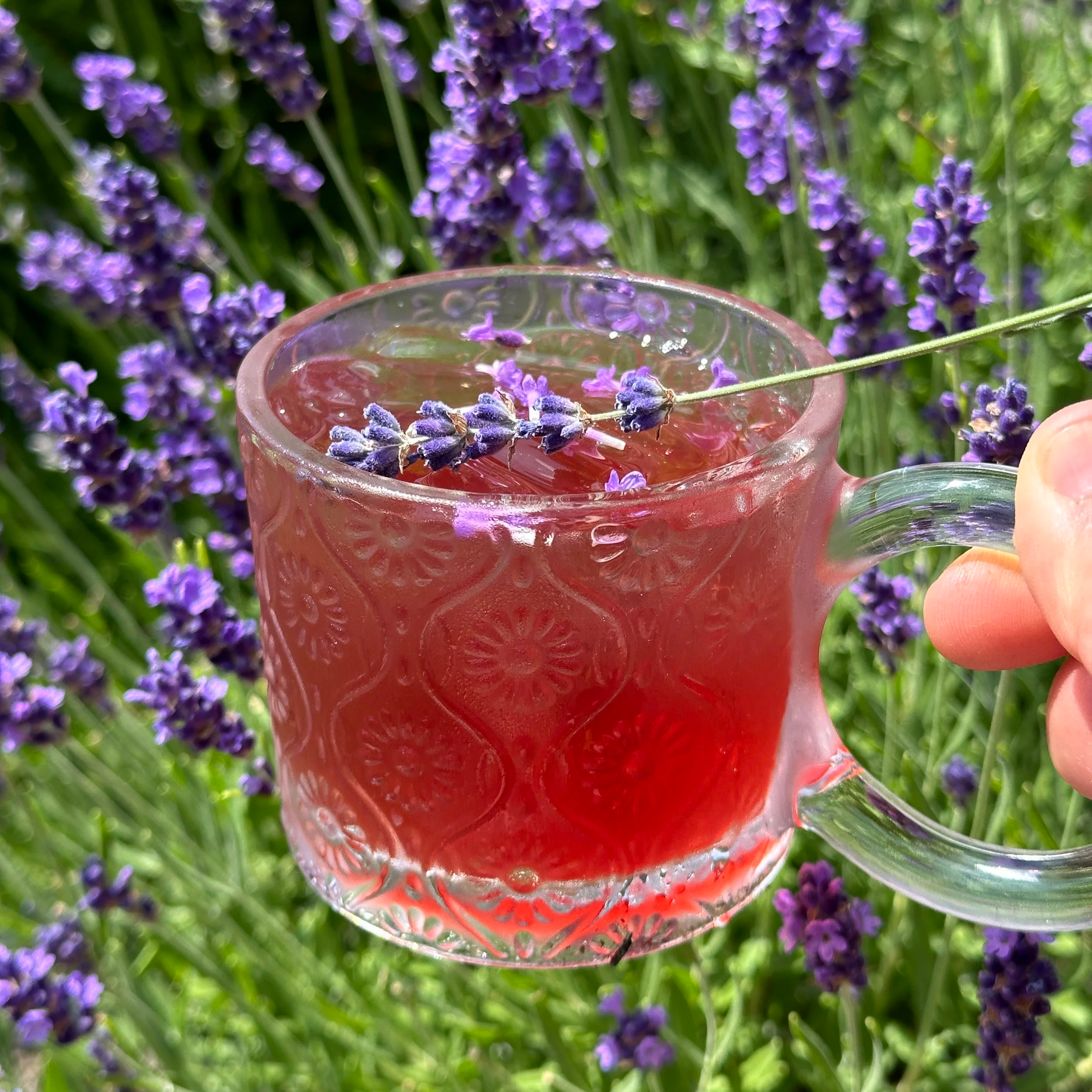
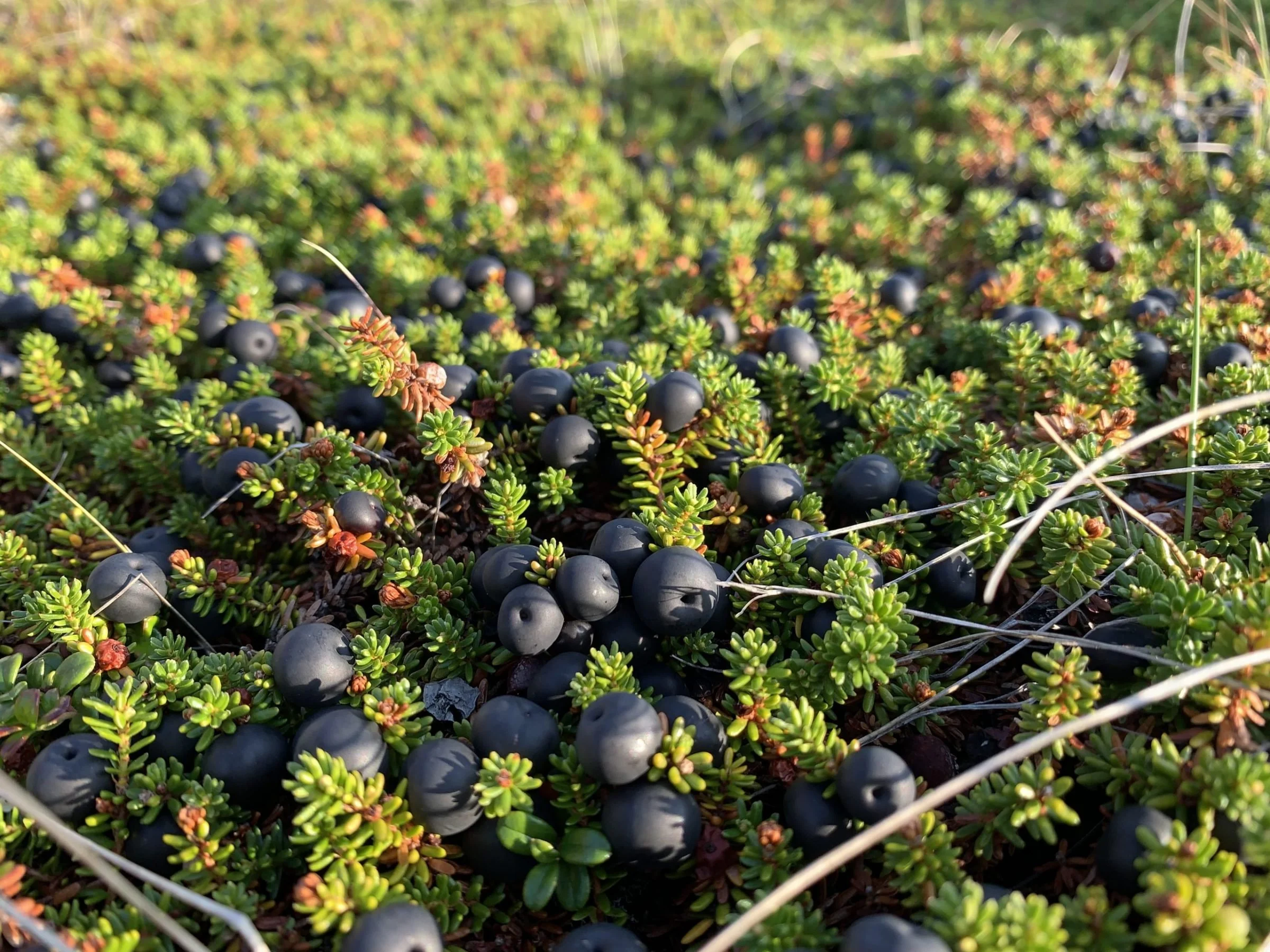
Photo by Malaya Qaunirq Chapman - click for link to article
A native berry & a Mediterranean herb
Crowberry (Empetrum nigrum) is a native, colony-forming shrub found in acidic soils in bogs, on coastal barrens and on windy, exposed sites. They are one of the most abundant fruits in northern Canada and were a vital addition to the diets of First Nations. The Inuit call them paurngait, meaning “looks like soot” referring to the fruits dark color when ripe.
Crowberries are edible raw but are considered an acquired taste. They are almost devoid of natural acids, making them more bland on their own. They were often mixed with other berries or added to lard or oil. The taste improves after freezing, cooking, and more sugars are released after a frost. They are typically picked in Autumn.
You can easily make a simple syrup or jam and enhance it with sugar, honey, apple juice, etc, to add an interesting flavour and dark colour. A traditional preparation was adding lemon juice and serving with cream and sugar. These berries can also be used as a natural dye because they are rich in anthocyanins, which are natural pigments that create vibrant colors, specifically dark red to black.
The fruits are high in vitamin C (twice that of blueberries) and rich in antioxidants. They have a firm, impermeable skin that does not easily get soggy, making it a great berry for muffins, pancakes, pies and preserves.
In my case, I found the flavour profile would mesh well with florals and I wanted to play up the slight bitterness they have. My goal was a sweetened iced tea but with the astringent sensation and tart taste of Lavender, the oils in Earl Grey tea, and a hint of lilac infused vinegar to balance it out with an acid. Here is how I made it:
First I made some tea using a 1 gallon jar, 1 regular black tea bag + 1 Earl Grey tea bag. I filled it half way with not even boiling hot water. Just hot enough to extract from the tea bags quickly. About 5 minutes later I added more cold water (about 70% full). Our goal is to cool this down and keep tasting it so it does not get too bitter. When you are happy with the flavor, remove them.
I added a liter of a Crowberry syrup (which was sweetened with apple juice and sugar), a half teaspoon of distilled culinary lavender water, some white wine vinegar I had infused with lilacs (though acids like lemon or lime juice is all you need, vinegar can be so fun to play with!).
I adjusted it slightly with a bit more sugar. I cannot give you exact measurements on acids because it is a go-with-your-heart taste thing, but I can say that when working with distilled floral waters and multiple foraged flavours, you need to start very small (like, droplets) or you will easily drown out other desired flavor profiles or herb infusions.
When I was happy with the sweetness, tartness and crowberry flavor, I felt like the tea and lavender was downplayed. This is when my plan for cold brewing the rest of the flavor I was looking for came into play.
I had fresh lavender from the garden that I separated flower from stem and added to the jar. Half to one cup would be ideal. At this point, your jar is still lukewarm from brewing the tea and adding syrup. I shook vigorously to help release oils. I added another Earl Grey tea bag after that and put it in the fridge overnight.
The next day I was happy with the flavour and removed the teabag. I did add a bit more acid at this point and recommend balancing it to your liking once again after it is cold from the fridge. If you plan to serve it on ice, especially so.
*I removed the lavender from this drink before serving because it is an intense plant to nibble on and will stay overpowering your taste buds long after the iced tea is gone. I have put it in ice cubes before so they melt and slowly appear in the drink as you are finishing it up - less likely to be chewed on but still cute.